+255 655 224 716
info@TanzaQuest.com

Destination: Mahale Mountains National Park, Tanzania
Program Title: The Primates of Paradise: An Ecological & Anthropological Exploration of Mahale
Tour Code: TQP-MAH-EDU01
1. Destination Intelligence Briefing
Overview:
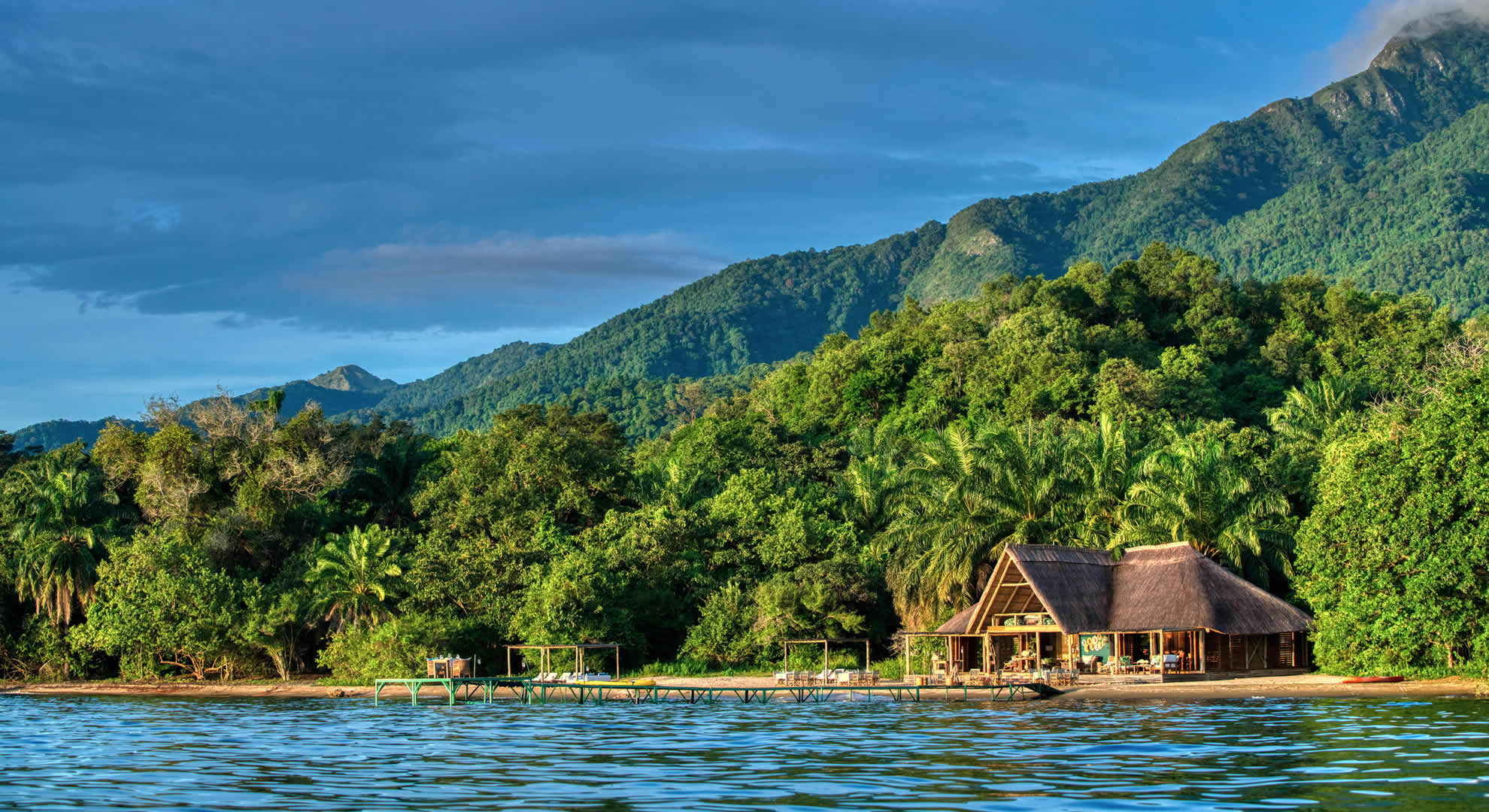
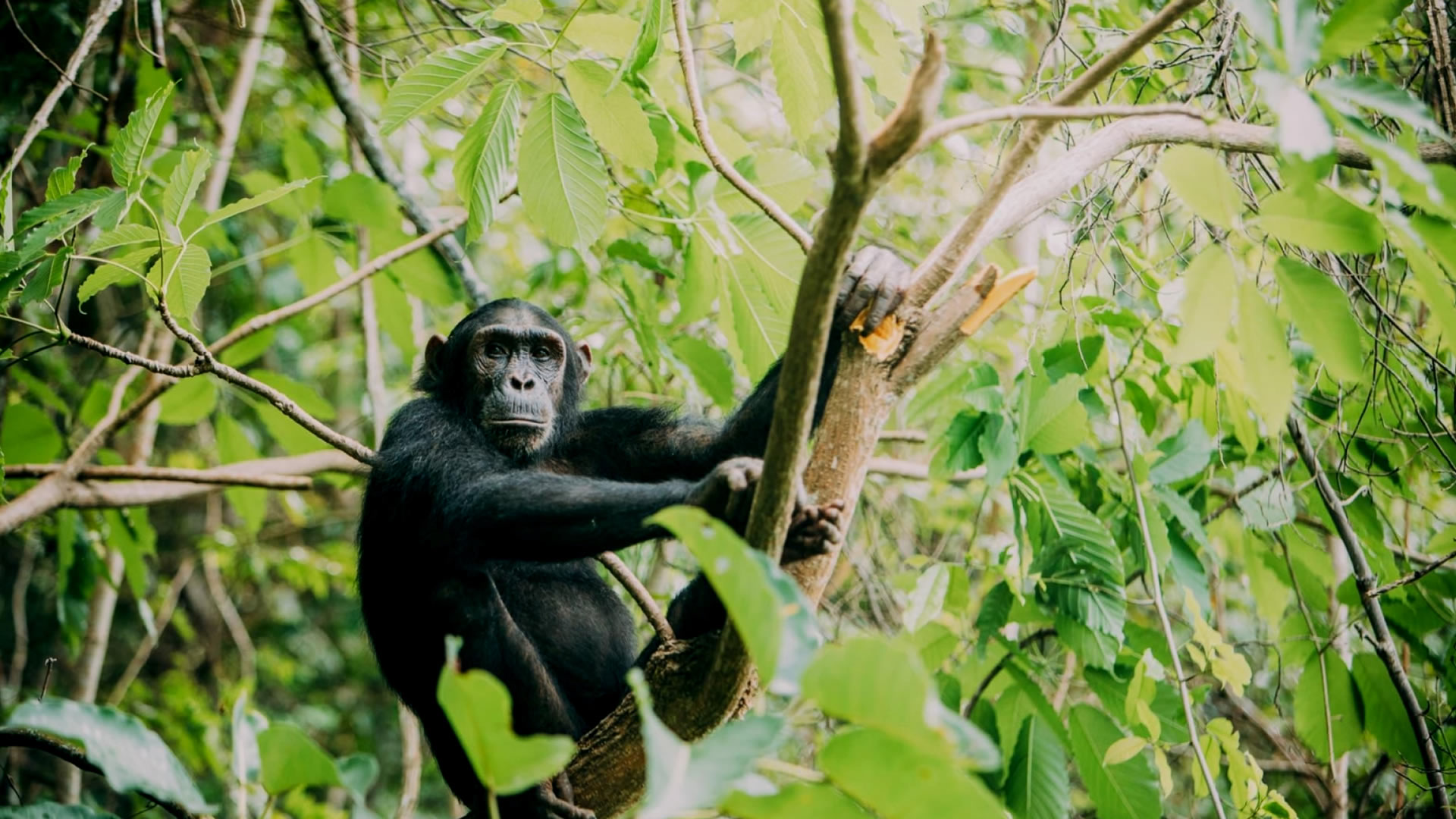
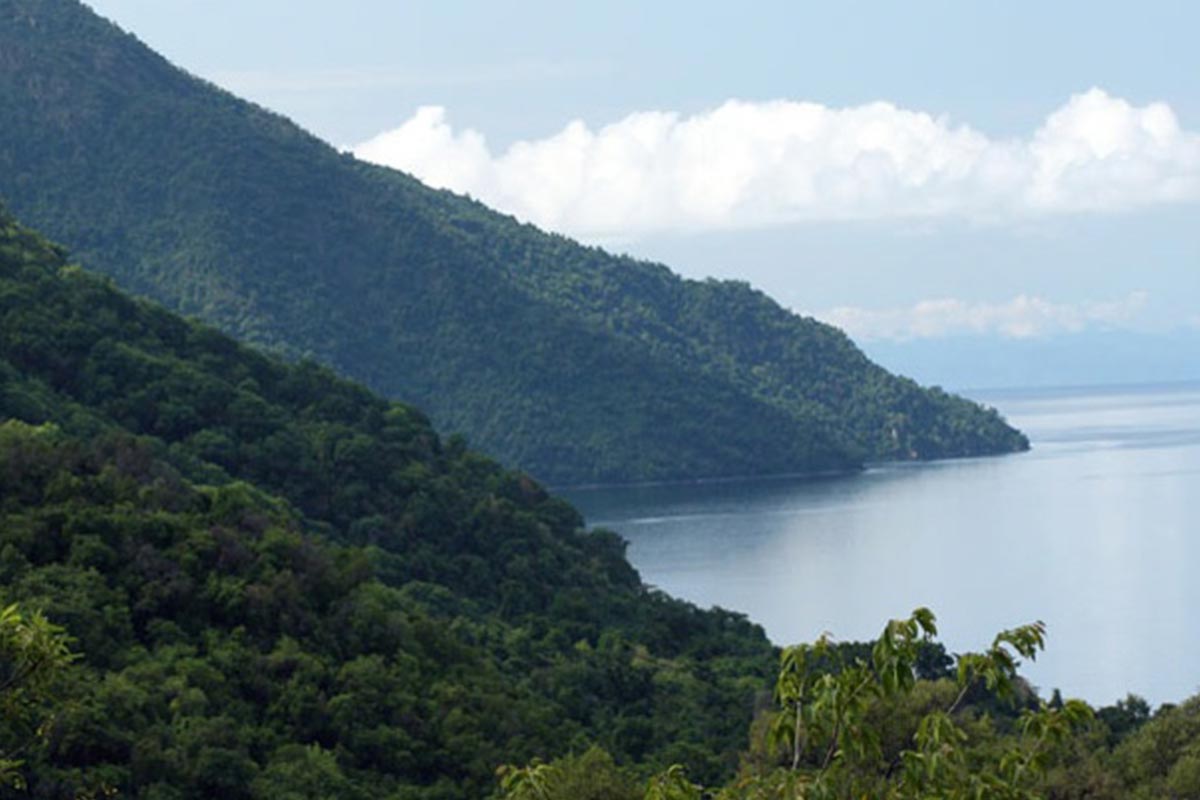
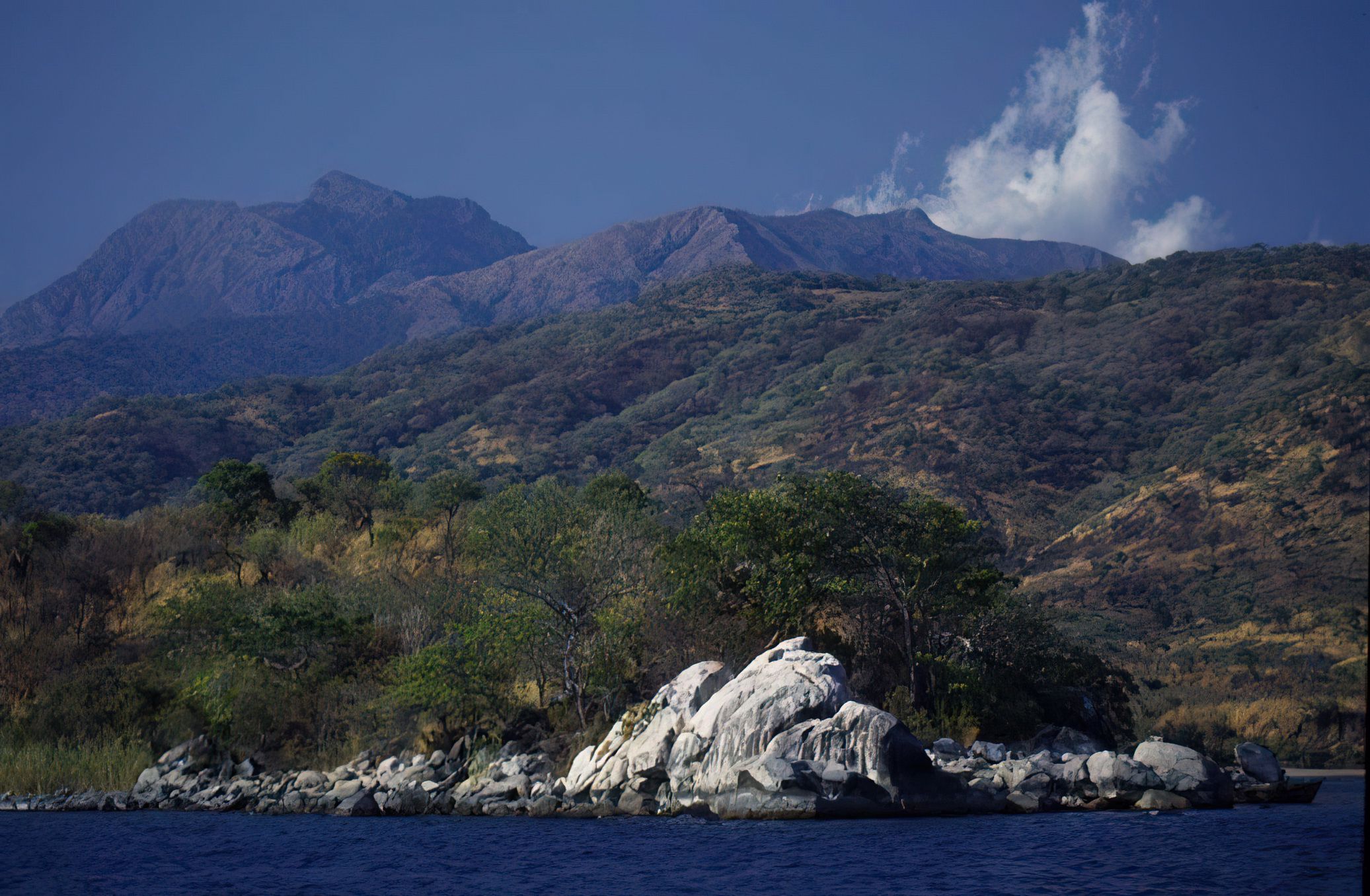
Mahale Mountains National Park is a remote and pristine wilderness on the eastern shore of Lake Tanganyika. It is a global biodiversity hotspot, renowned not only as one of the last remaining strongholds for the endangered Eastern chimpanzee (Pan troglodytes schweinfurthii) but also as a living laboratory for primatology and tropical ecology. Unlike any other park in Africa, Mahale offers an unparalleled combination of primate tracking, freshwater marine activities, and dense montane forest exploration.
Our Professional Standards & Inclusions
Expert Guides: Our guides hold advanced degrees in ecology, primatology, or related fields. They are not just drivers but educators and facilitators of learning.
Pre-Departure Dossier: Participants receive a digital pack with recommended reading (e.g., works by Dr. Toshisada Nishida), maps, species lists and research papers.
Field Equipment: Provision of high-quality binoculars, reference books, and field notebooks for the duration of the tour.
Ethical Wildlife Viewing: Strict adherence to park rules (7m distance from chimps, no more than 1 hour viewing, no tracking for children under 12, etc.). We prioritize animal welfare and safety.
Sustainable Partnership: We use camps that have a proven commitment to:
Employing and training staff from local communities.
Implementing sustainable practices (solar power, water recycling, waste management).
Contributing directly to conservation funds and anti-poaching initiatives.
Health & Safety: Comprehensive emergency evacuation plan, first-aid trained staff and satellite communication at all times.
Important Considerations
Booking: Chimpanzee permits are limited and must be secured months in advance. TQP handles all logistics.
Health: Malaria prophylaxis is essential. A good level of health is required for hiking.
Best Time to Visit: The dry season (May-October) offers the best hiking conditions and primate viewing. The wet season (November-April) is lusher but hiking is more challenging.
No Connectivity: Embrace the digital detox. There is no cell phone signal or internet in Mahale, allowing for complete immersion.
This expedition is more than a tour; it is a privileged entry into one of the world’s last great wild places. TanzaQuestPro International is dedicated to making it a profoundly educational, responsible, and unforgettable experience. We are ready to tailor this proposal further to meet the specific needs of your clientele.
Arusha Airport (Google Map)
3 Hours Before Flight Time
Inclusivity Statement:
TanzaQuestPro International is committed to creating a journey that is accessible, respectful, and enriching for all participants. We proactively address:
Physical Mobility: We offer tiered activity levels (see itineraries) and can facilitate discussions with researchers at camp for those unable to undertake strenuous hikes.
Learning Styles: Information is delivered multi-modally: visually (guided observation, maps), auditorily (expert lectures, forest sounds), and kinesthetically (practical field exercises).
Dietary Needs: All camps are pre-briefed on participant dietary requirements (vegan, vegetarian, gluten-free, allergies, etc.).
Cultural Sensitivity: All interactions with local staff and communities are based on principles of mutual respect and fair economic partnership.
Charter flight and boat transfer to camp.
Afternoon orientation walk along the beachfront and lakeshore forest.
Evening Lecture: “An Introduction to the Mahale Ecosystem.”
Morning: Track the M-group chimpanzees.
Afternoon: Focus on other fauna: a walk to look for red colobus monkeys, red-tailed monkeys, and the endemic Mahale striped mongoose.
Evening: Night walk (if permitted) to discover nocturnal species.
Full Day: dedicated to Lake Tanganyika. Activities include:
Snorkeling safari to observe cichlid fish diversity.
Dhow sailing trip to discuss fisheries management.
Visit to a research station (if available and accessible) to learn about aquatic studies.
Picnic lunch on a secluded beach.
Morning: A focused walk on the forest flora – medicinal plants, insect-plant relationships, and the role of fig trees.
Afternoon: Cultural visit or a conservation discussion with a camp manager or researcher on the challenges of protecting a park with no physical barriers.
Morning at leisure before transfer to the airstrip.