+255 655 224 716
info@TanzaQuest.com

Duration: 10 Days | Group Size: 10-12 | Destinations: Arusha → Olduvai Gorge → Laetoli → Lake Eyasi → Ngorongoro
Theme: “From Fossils to Tribes: Decoding 3 Million Years of Human Evolution”
Ideal For:
Not Suitable For:
Kilimanjaro International Airport (Google Map)
3 Hours Before Flight Time
This is a rigorous field research expedition, not a typical tourist safari. You’ll work alongside your leading paleo-anthropologists instructor/s, handling real fossils, excavating at active dig sites and learning cutting-edge analysis techniques. Mornings start early (often before sunrise), with long hours spent in the field under the African sun. Evenings involve lab work, lectures and data logging.
Physical Demand: Moderate to high (6-8 hours/day on your feet, hiking over rough terrain).
Conditions: Dusty, hot days (25-35°C) and cool nights (10-15°C). No Wi-Fi at most sites.
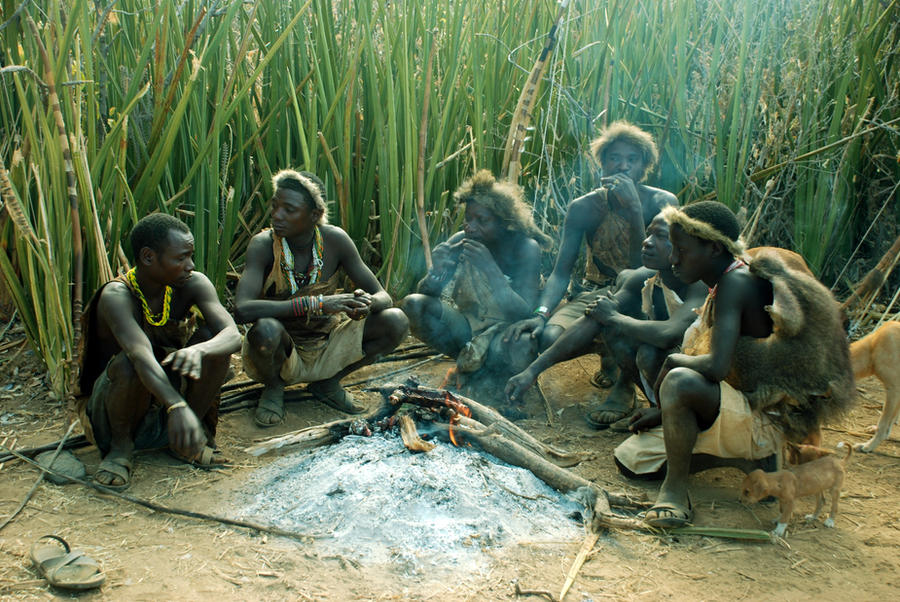
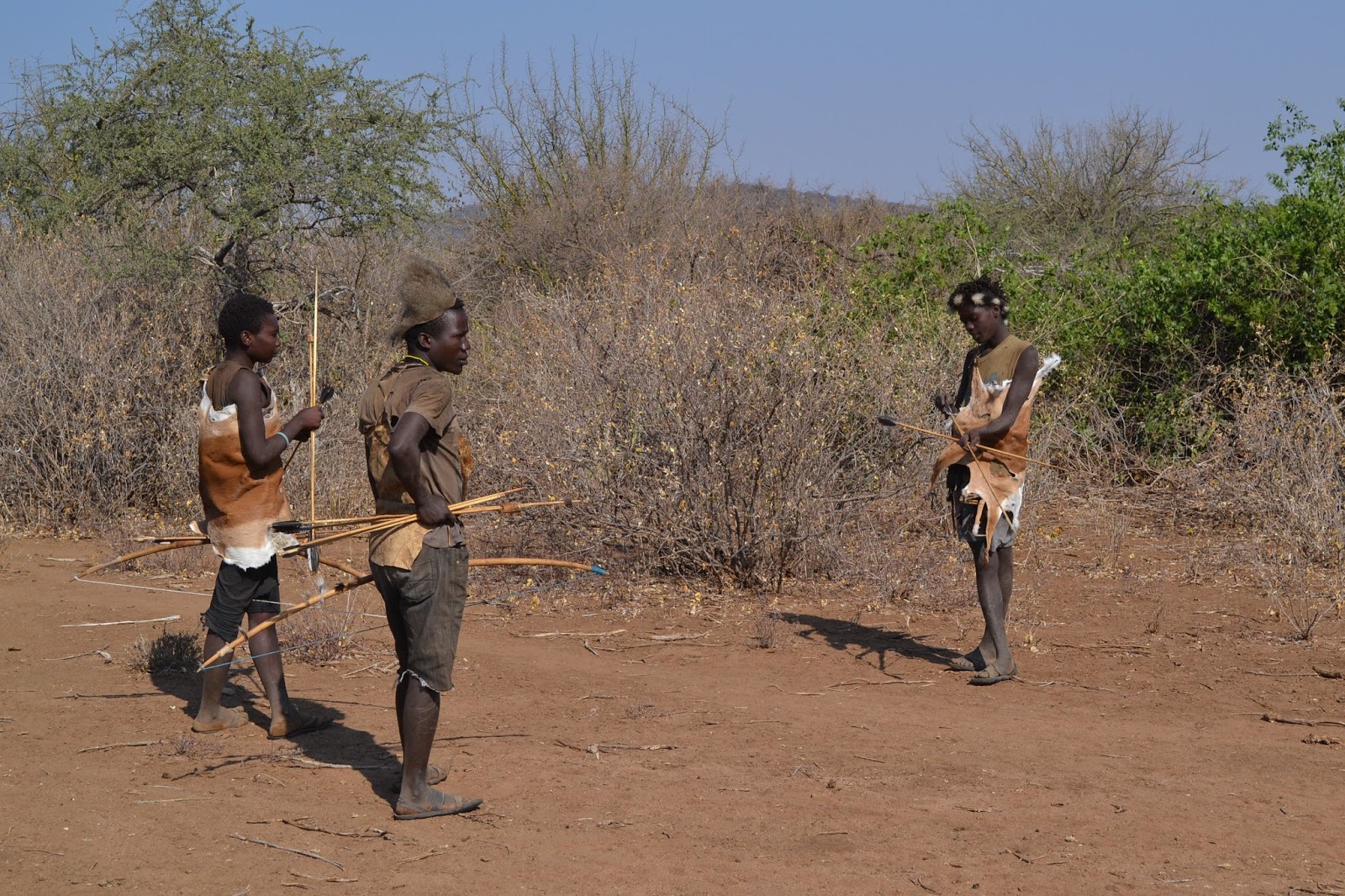
Cultural Interactions: Deep engagement with Hadzabe hunter-gatherers and Datoga blacksmiths—participate in their daily activities, not just observe.
Research Focus: You’ll contribute to real science—data you collect may be published.
Safety: Strict protocols for fieldwork, dehydration prevention and wildlife encounters.
This 10-day program delivers:
Accommodation: NCAA Research Camp (rustic cabins with solar power)
Meals Included: Breakfast (boxed), Lunch (camp buffet), Dinner (Swahili BBQ)
06:30 AM
07:00 AM
09:30 AM
10:30 AM
12:30 PM
02:00 PM
04:30 PM
06:00 PM
08:00 PM
Accommodation: Olduvai Field Camp (weatherproof tents)
Transfer: 4hr drive with game viewing en route
05:30 AM
Wake-up call
Pack field bags (provided: kneepads, brushes, specimen bags)
06:00 AM
Breakfast boxes distributed:
Energy bars, boiled eggs, banana bread
06:30 AM
Depart in convoy (strict radio protocol)
Stop at Maasai boma for cultural briefing
10:30 AM
Arrive at FLK-Zinj site
Safety briefing:
Sun protection requirements
Hydration checkpoints every 90 minutes
11:00 AM – 2:00 PM
Excavation Rotation:
Team A: 1m² grid excavation
Team B: Sieving sediment for micro-fossils
All finds photographed in situ before removal
2:30 PM
Field lunch at gorge overlook:
Boxed meals with cold drinks
Shaded seating area
3:30 PM
Laetoli Footprint Analysis:
3D scanning of famous trail
Comparative gait analysis exercise
6:00 PM
Return to field camp
Specimen logging session
8:00 PM
Dinner + debrief:
“Taphonomy of Early Hominid Sites” lecture
Accommodation: Mobile Research Tents
Special Notes: No electricity; solar lanterns provided
05:00 AM
Pre-dawn departure to catch Hadzabe morning hunt
07:30 AM
Participate in foraging expedition:
Ethnobotany documentation
Caloric expenditure tracking
12:00 PM
Traditional lunch with tribe:
Baobab porridge, wild honey
02:00 PM
Material Culture Workshop:
Fire-making with sticks
Arrow fletching
06:00 PM
Cultural exchange:
Hadzabe star navigation stories
Accommodation: Ngorongoro Rhino Lodge (permanent tents with en-suite bathrooms)
Special Notes: Altitude 2,200m – hydration emphasized
06:00 AM
Wake-up with ginger tea (helps with altitude adjustment)
Pack-up camp with staff assistance
06:30 AM
Breakfast:
High-energy options: peanut butter sandwiches, boiled sweet potatoes
Reusable water bottles refilled
07:00 AM
Datoga Blacksmith Demonstration:
Location: Traditional forge near Lake Eyasi
Participants will:
Pump goat-skin bellows
Hammer red-hot iron into arrowheads
Learn about ancient trade routes for iron ore
09:30 AM
Depart for Ngorongoro (2.5hr drive)
En route stop:
Nasera Rock Shelter – brief geology explanation
12:00 PM
Picnic lunch at Ndutu viewpoint:
Boxed meals with cold sodas
Shaded picnic tables
01:30 PM
Game Drive Research Component:
Task: Document all megafauna sightings
Tools: Provided checklist with camera traps
Focus: Compare modern fauna to fossil records
04:00 PM
Arrive at Rhino Lodge
Room assignments and orientation
06:30 PM
Dinner in lodge dining room:
3-course meal with soup, grilled meats, dessert
Dietary restrictions accommodated
08:00 PM
Evening Lecture:
“The Ngorongoro Chronostratigraphy”
Includes handling actual volcanic ash samples
Special Gear: Field chairs, sun umbrellas provided
05:30 AM
Early departure for crater descent
Boxed breakfast in vehicles
06:30 AM
Crater Floor Research Activities:
Station 1: Soil sampling near Lerai Forest
Station 2: Hyena den ethology observation
Station 3: Grassland ecosystem survey
10:00 AM
Morning tea at Ngoitokitok Springs:
Hot beverages and snacks
Hippo observation safety briefing
12:30 PM
Bush lunch at designated picnic site:
Full hot meal prepared by lodge staff
Restroom facilities available
02:00 PM
Fossil Hunting Expedition:
Guided search along erosion gullies
Identification of common finds:
Fossilized giraffe vertebrae
Ancient crocodile teeth
05:00 PM
Ascent from crater
Vehicle cleaning protocol (prevent invasive species)
07:00 PM
Dinner at lodge
Specimen cataloging session
Facility: NCAA Research Center
07:00 AM
Breakfast buffet at lodge
08:00 AM
Microscopy Lab Session:
Compare modern vs. fossil pollen samples
Equipment: Provided compound microscopes
10:30 AM
Isotope Analysis Demonstration:
Laser ablation of tooth enamel samples
Interpretation of ancient diet signals
12:30 PM
Lunch at research center
02:00 PM
3D Modeling Workshop:
Photogrammetry of found artifacts
Creating digital reconstructions
04:30 PM
Free time for:
Field notes organization
Specimen photography
07:00 PM
Special dinner with researchers
Location: Olduvai Gorge Experimental Site
Special Equipment: Stone tool kits, raw materials provided
05:30 AM
Wake-up call with masala chai
Pack field kits with:
Leather hand protection
Flint knapping goggles
Measuring calipers
06:30 AM
Transfer to experimental site (30min drive)
Breakfast boxes:
Protein-focused: smoked beef strips, roasted cashews
Hydration salts for water bottles
07:30 AM – 12:00 PM
Stone Tool Workshop Rotation:
Core Reduction Station
Demonstrate Oldowan chopper production
Task: Create functional cutting tool
Metrics: Count of usable flakes produced
Butchering Simulation
Goat carcass (ethically sourced)
Compare stone vs. metal tool efficiency
Data recorded on:
Time per processing stage
Meat yield comparison
Hide Scraping Challenge
Use replicated tools on antelope hide
Evaluate effectiveness for clothing production
12:30 PM
Field lunch under acacia trees
Cold buffet with shade tents
02:00 PM
Tribal Technology Exchange:
Maasai warriors demonstrate iron-age spear making
Datoga blacksmiths show advanced forging
04:30 PM
Experimental Archaeology Debrief:
Compare morning data sets
Discuss implications for early human behavior
07:00 PM
Dinner at research camp
Special menu: “Paleo Diet” tasting:
Roasted tubers
Wild game meat
Foraged greens
Conservation Focus: UNESCO World Heritage Site protocols
05:00 AM
Pre-dawn departure to avoid heat
Special gear issued:
Conservation-grade gloves
Non-invasive measuring tools
06:30 AM
Site Preservation Training:
Footprint cleaning protocol:
Soft brushes only
No liquids within 2m of prints
3D Documentation:
Photogrammetry rig setup
Laser scanning precautions
09:00 AM
Comparative Movement Study:
Volunteers walk through replica trackway
Pressure sensors record gait patterns
11:30 AM
Packed lunch on-site
No food/drink within 10m of actual footprints
01:00 PM
Sediment Analysis Lab:
Volcanic ash sample prep
Microscope session: mineral identification
03:30 PM
Replica Casting Workshop:
Silicon molding techniques
Each participant makes 1:1 scale replica
06:00 PM
Return to camp
Decontamination shower required
07:30 PM
Dinner + Film: “The Laetoli Detective Story”
Output Deliverables: Digital presentations, physical exhibits
07:00 AM
Breakfast buffet
Project team assignments
08:30 AM – 4:00 PM
Research Tracks (Participants Choose 1):
Fossil Reconstruction Team
Complete skeletal assembly
Create museum-style display
Experimental Archaeology Team
Design/test hypothetical tool
Digital Modeling Team
Build 3D site reconstruction
12:00 PM
Working lunch provided
04:30 PM
Presentation dry-runs
A/V tech check
06:30 PM
Final Presentations:
Judges: NCAA researchers + Maasai elders
Evaluation criteria:
Scientific rigor
Cultural sensitivity
Logistics: Airport transfers coordinated by color groups
06:00 AM
Final packing
Luggage tagging system
07:00 AM
Breakfast: “Graduation” meal
Certificate signing ceremony
08:30 AM
Closing Circle:
Each participant shares key learnings
Traditional Maasai blessing
09:30 AM
First transfer group departs
Boxed lunches for road
12:00 PM
Final airport drop-offs
Staff assist with check-in